
Sergeant Bluff, Sioux City
Spring Repair for Sergeant Bluff's Newer Housing Stock
Most Sergeant Bluff homes date to right around 2000 - newer stock than the rest of the service area, but the original torsion spring is likely still on the door. Here's what that means for repair.
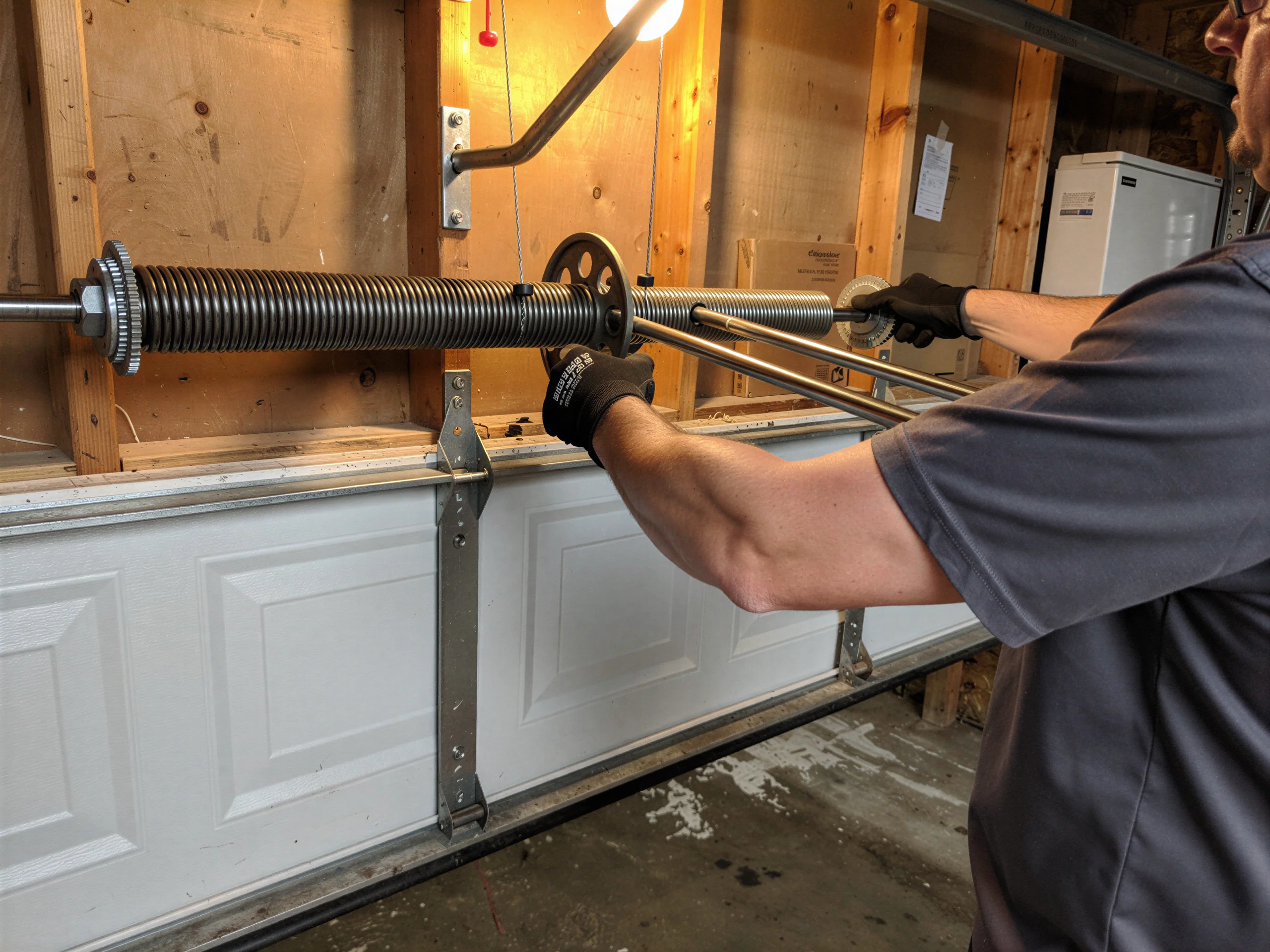
Why It Happens Here
Sergeant Bluff's housing is newer than most of what this company sees elsewhere in the area. The median home here went up around 2000, while the broader coverage area - six communities running from Hinton and Lawton out to Sloan - centers on a median build year of 1973, with most of that older stock going up in the 1960s and '70s. That gap matters. A door installed in 2000 almost certainly came with a factory torsion spring rated for a set number of open-close cycles, and if nobody's touched it since, that spring is now 20-plus years into a part that typically doesn't make it past 15 even under easy use. Add in the area's cold, severe winter swings - steel fatigues faster when it's cycling between a heated garage and single-digit air - and a spring that's never been replaced is often closer to failure than the homeowner realizes. The fault here isn't a 1960s door with obsolete hardware, which is what you'd find in the older parts of the service area. It's a door old enough that the original equipment is tired, but young enough that most owners assume it's still fine. That assumption is usually wrong by the time the spring actually lets go.
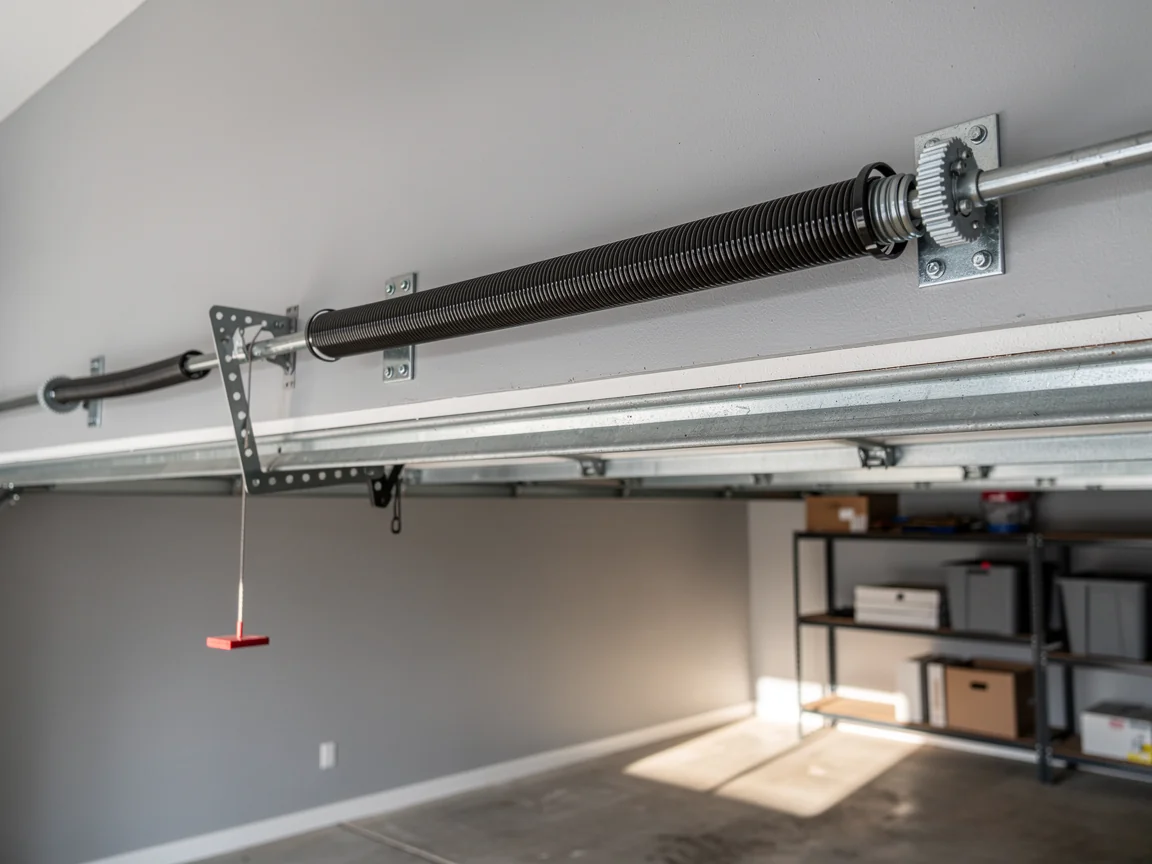
What It Costs
There's no flat number to quote here, and anyone who gives you one over the phone without seeing the door is guessing.
Spring count and wire
Cost on a spring job depends on whether the door takes one spring or two, the wire size and wind of the spring the door actually needs, and whether the drums, cables, or bearings show wear alongside the spring itself - common on doors pushing past the 10,000-cycle mark.
Single spring costs less
A single-spring setup on a lighter door costs less than swapping both springs on a heavier insulated double, which is what you'll find on a lot of the two-car garages built in this area around 2000. The honest limitation: if the torsion tube, drums, or end bearing plates are also worn, replacing just the spring is a short-term fix, and that changes the job and the cost. A straight spring swap on sound hardware is the cheaper, faster call every time.
Stocked Parts
Doors built around 2000 mostly use torsion springs on standard residential tube sizes, and the double garages common to this era's builds usually run two springs rather than one. For insulated steel doors - the heavier style that became standard in homes from this period - the spring needs a higher cycle rating than what you'd put on a lighter single-layer door, or it fails again well before it should. Extension spring setups do turn up on some older or converted garages, but torsion is the far more common find on a house from this build year. Matching wire diameter, coil length, and wind direction to the door's actual weight and the drum size on the shaft is what keeps a repair from becoming a return visit. Getting that wrong is the most common reason a spring that's technically new still doesn't lift the door evenly.
How It Shows Up
The most obvious sign is a door that won't budge, or one that the opener strains against and then reverses - the opener isn't broken, it just can't do a spring's job.
Visible gap in coil
Look at the spring itself above the door: a complete break leaves a visible gap in the coil, usually with a loud bang at the moment it happens.
Slack cable, crooked door
Short of a full break, watch for a door that's noticeably heavier to lift by hand than it used to be, a cable that's gone slack at the bottom corner, or a door that sits crooked when it's partway open. Any of these point to a spring that's lost tension, even if it hasn't snapped yet.
Uneven lift on 2000 doors
On a door built around 2000, an uneven lift is often the first real warning that the original spring is finally reaching the end of its cycle life - worth acting on before it fails outright and takes a cable or drum with it.
Time on the Job
A straightforward torsion spring swap, once a tech is on site with the right spring in hand, is a same-visit repair - it doesn't require parts on backorder for a standard residential tube size. What adds time is diagnosis: confirming wire gauge, checking the drums and cables for wear, and making sure the door's weight actually matches the spring going on, not just the one coming off. Cold weather adds its own friction, literally - stiff cable and a tight torsion tube take a little longer to work with in winter than in July. What doesn't change is that this is tension work, done under load, and rushing it is how people get hurt. A tech who takes an extra ten minutes to double-check spring sizing on a door with worn hardware is doing the job right, not slow.
Can You Do This Yourself
A torsion spring is wound under enough force to cause serious injury if it lets go while you're working on it, and that doesn't change based on how new or old the house is. This isn't a job for winging it with a wrench from the garage shelf. If you're comfortable with hand tools, you can safely check for the warning signs - a gap in the coil, a slack cable, an opener straining - and you can look at whether your door's hardware matches what's common for a house built around 2000. But the actual spring swap, including winding a new torsion spring to the right tension, is where a call to a trained tech is worth it. The honest answer: this is one repair where doing it yourself mostly saves you money right up until it doesn't.
Questions
Common questions
How old does a garage door spring usually get before it fails?
It depends more on cycles - how many times the door opens and closes - than calendar age. A spring rated for around 10,000 cycles on a typical household can start failing anywhere from 7 to 15 years in. A lot of Sergeant Bluff homes were built right around 2000, which puts many original springs well past that mark.
Does Sergeant Bluff's winter weather affect garage door springs?
Cold, severe winters put extra stress on torsion springs. Steel contracts and stiffens in cold temperatures, and a garage that swings between heated and freezing air through the day puts more fatigue on the coil than a mild climate would. It's one more reason an aging original spring is more likely to break in winter than summer.
Is it cheaper to replace one spring or both?
On a double-spring door, replacing only the failed spring and leaving the other original one in place often means a second call within a year or two, since both springs usually wear at close to the same rate. There's no fixed price to quote without seeing the door, but matched springs tend to be the better long-term call.
Explore more
More Services in Sergeant Bluff
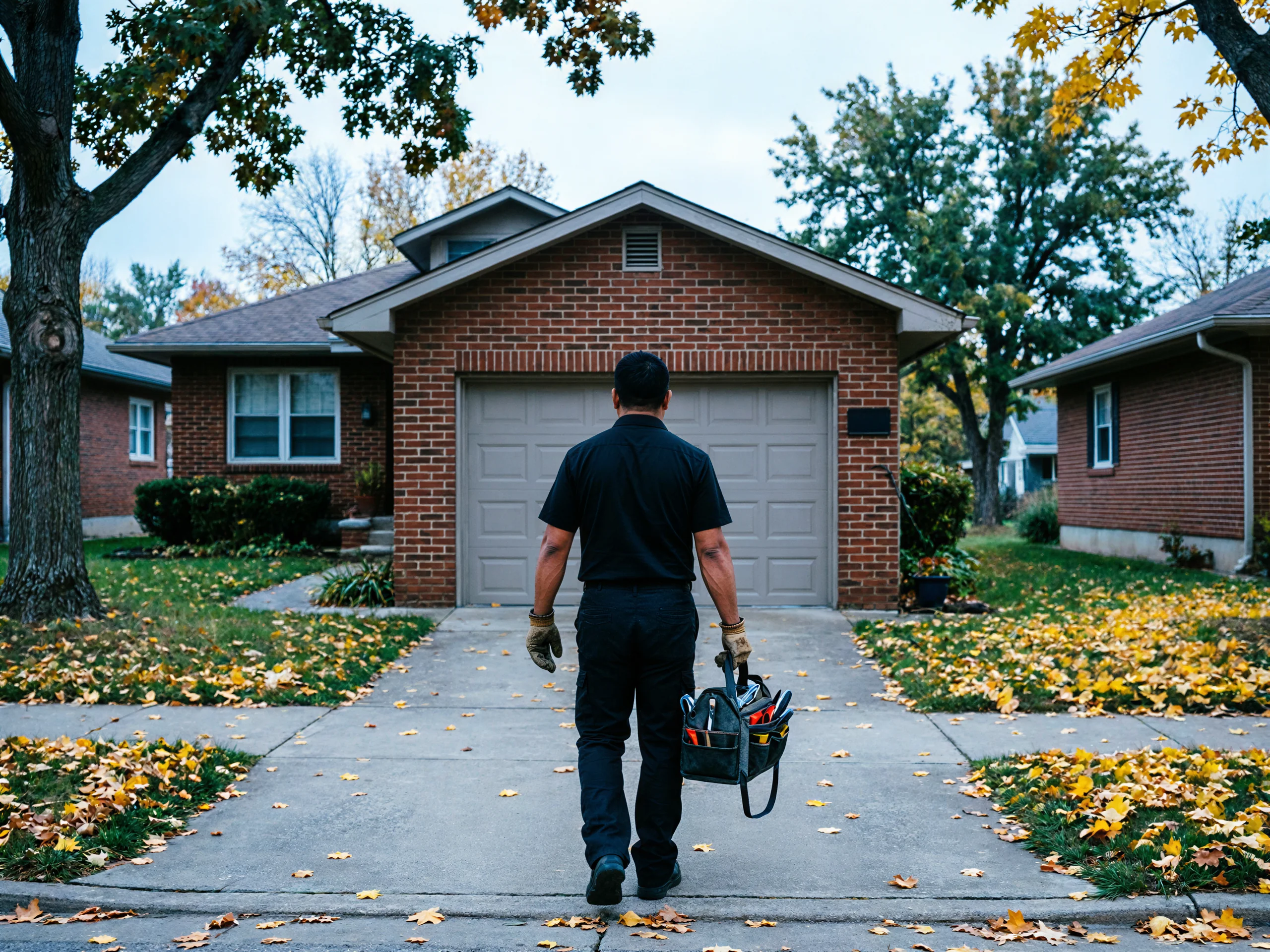
Emergency Garage Door
Sergeant Bluff has about 1,734 households and newer housing stock than most of the service area. Learn more →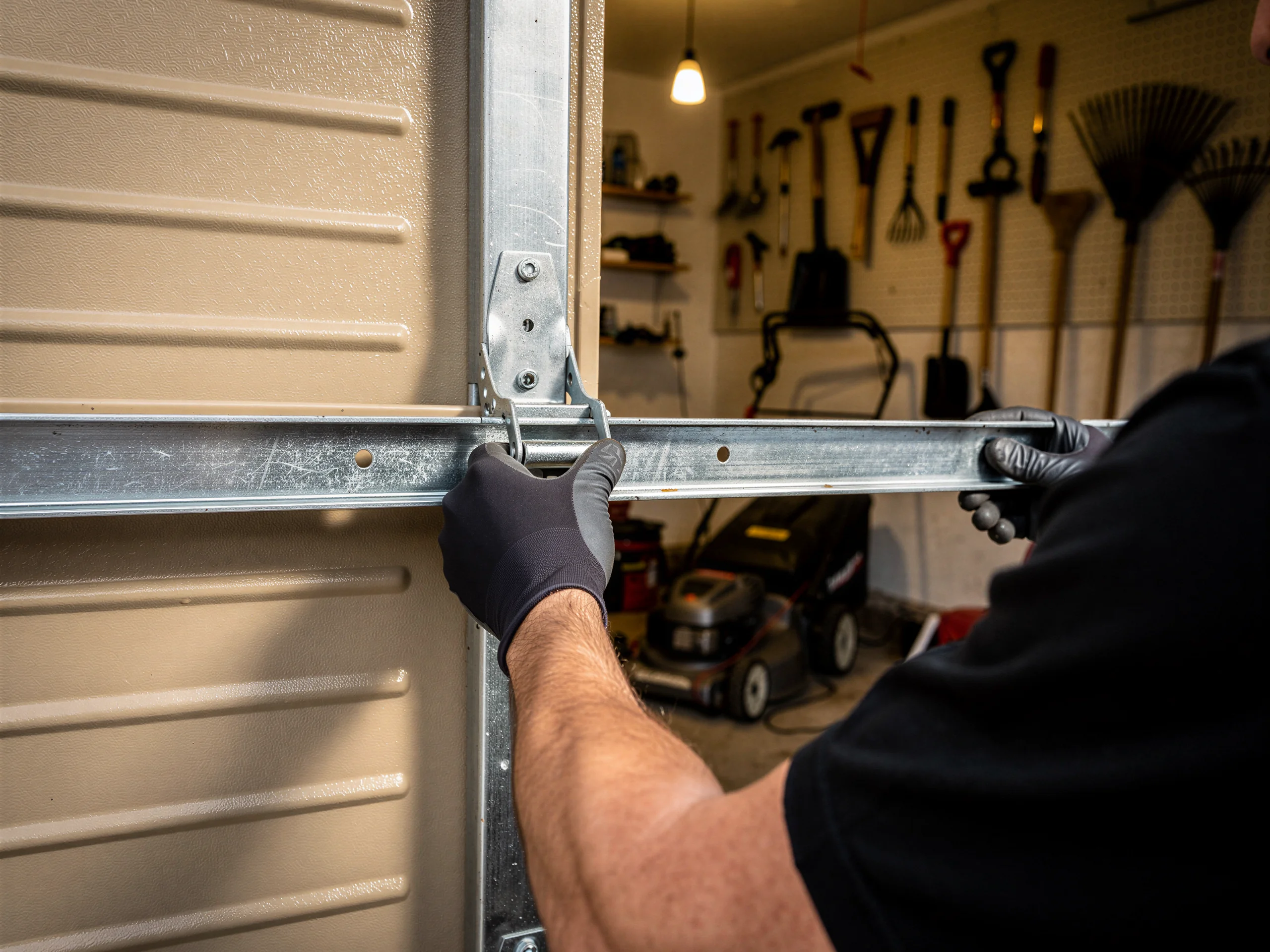
Garage Door Repair
Sergeant Bluff homes went up around 2000, mostly steel sectional doors on factory torsion springs. Learn more →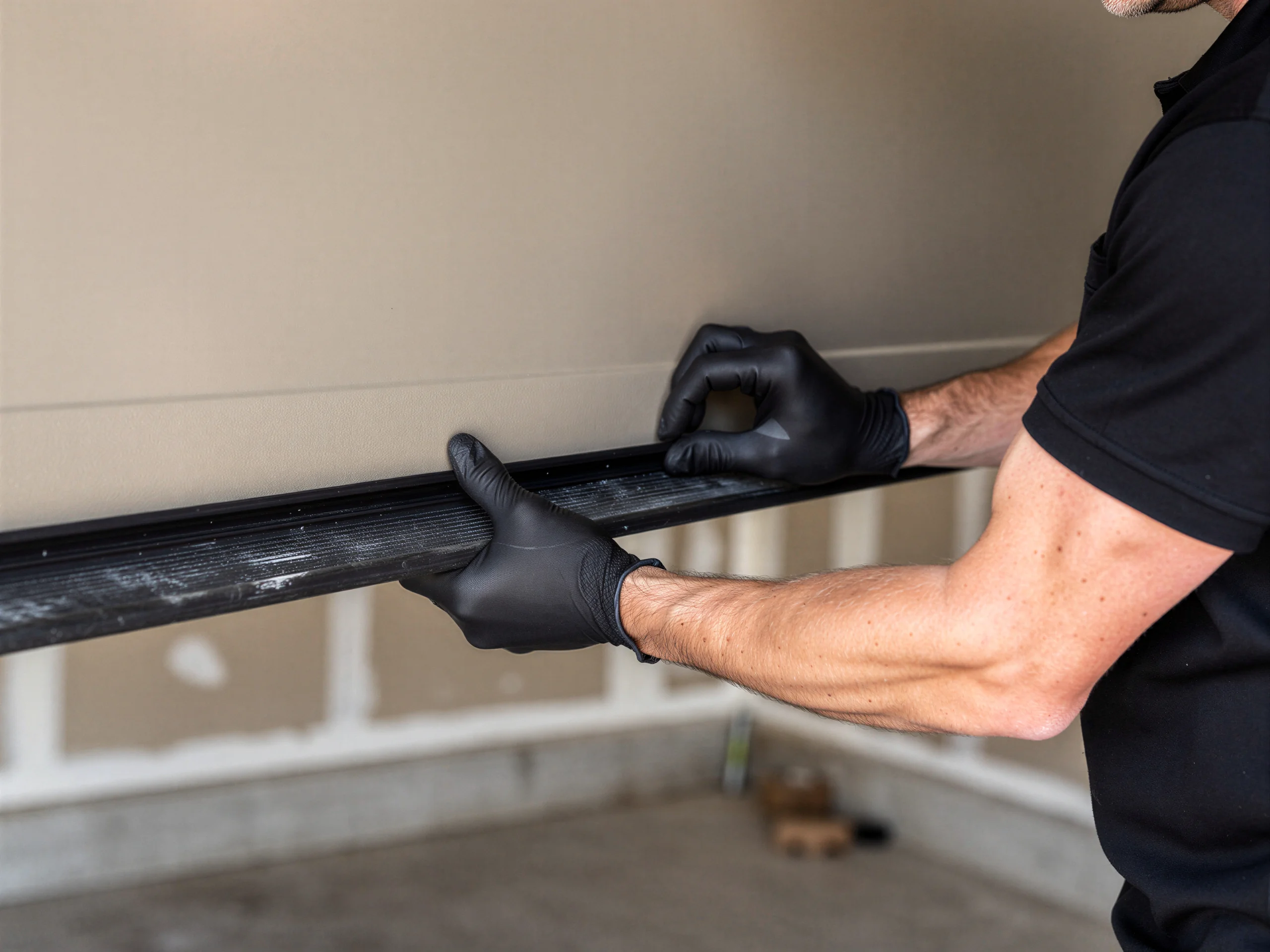
Garage Door Service
Sergeant Bluff homes mostly date to around 2000 - newer doors, factory torsion springs, and cold-weather wear. Learn more →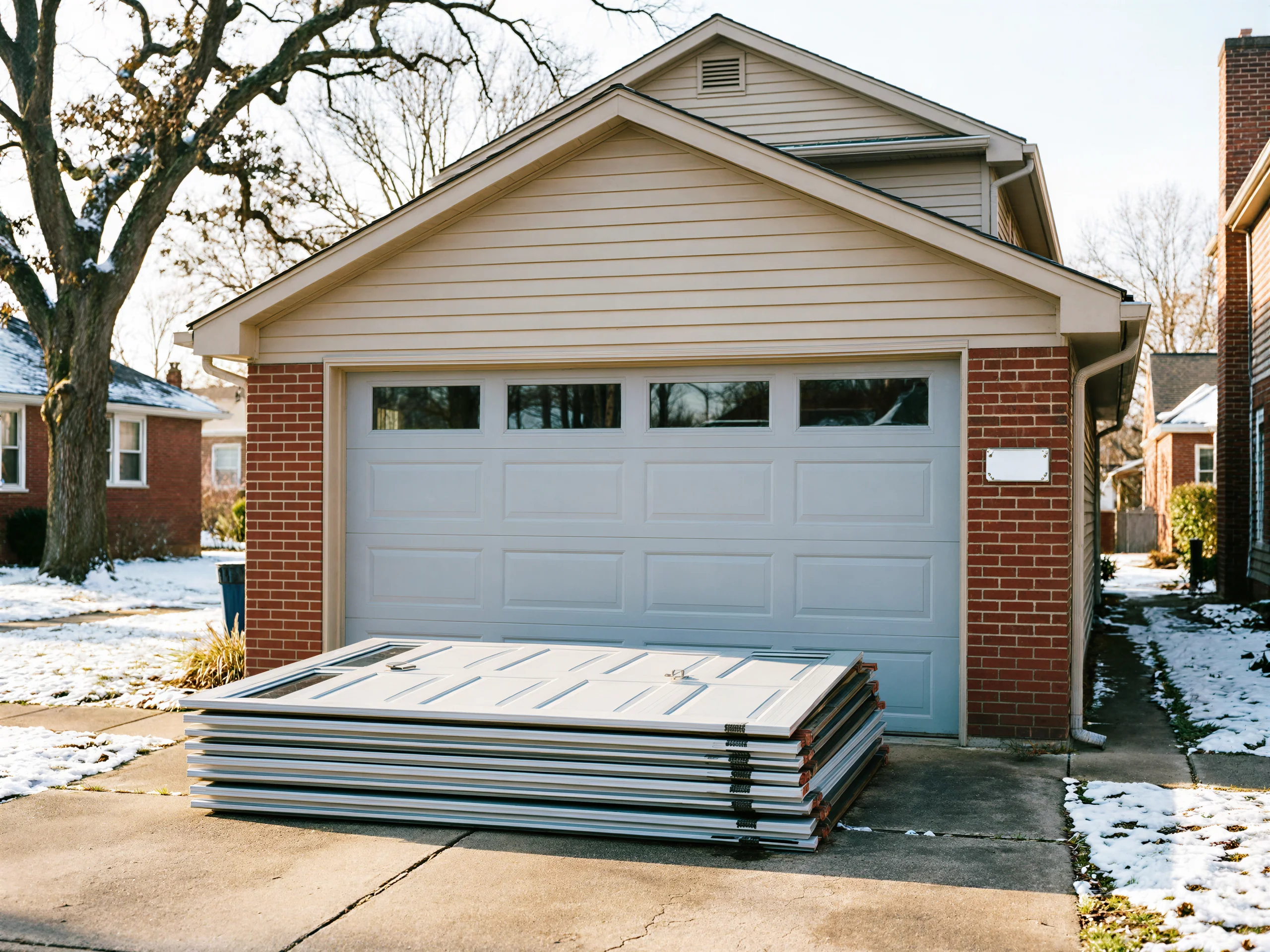
New Door Installation
New garage door installation for Sergeant Bluff homes built mostly after 2000. Learn more →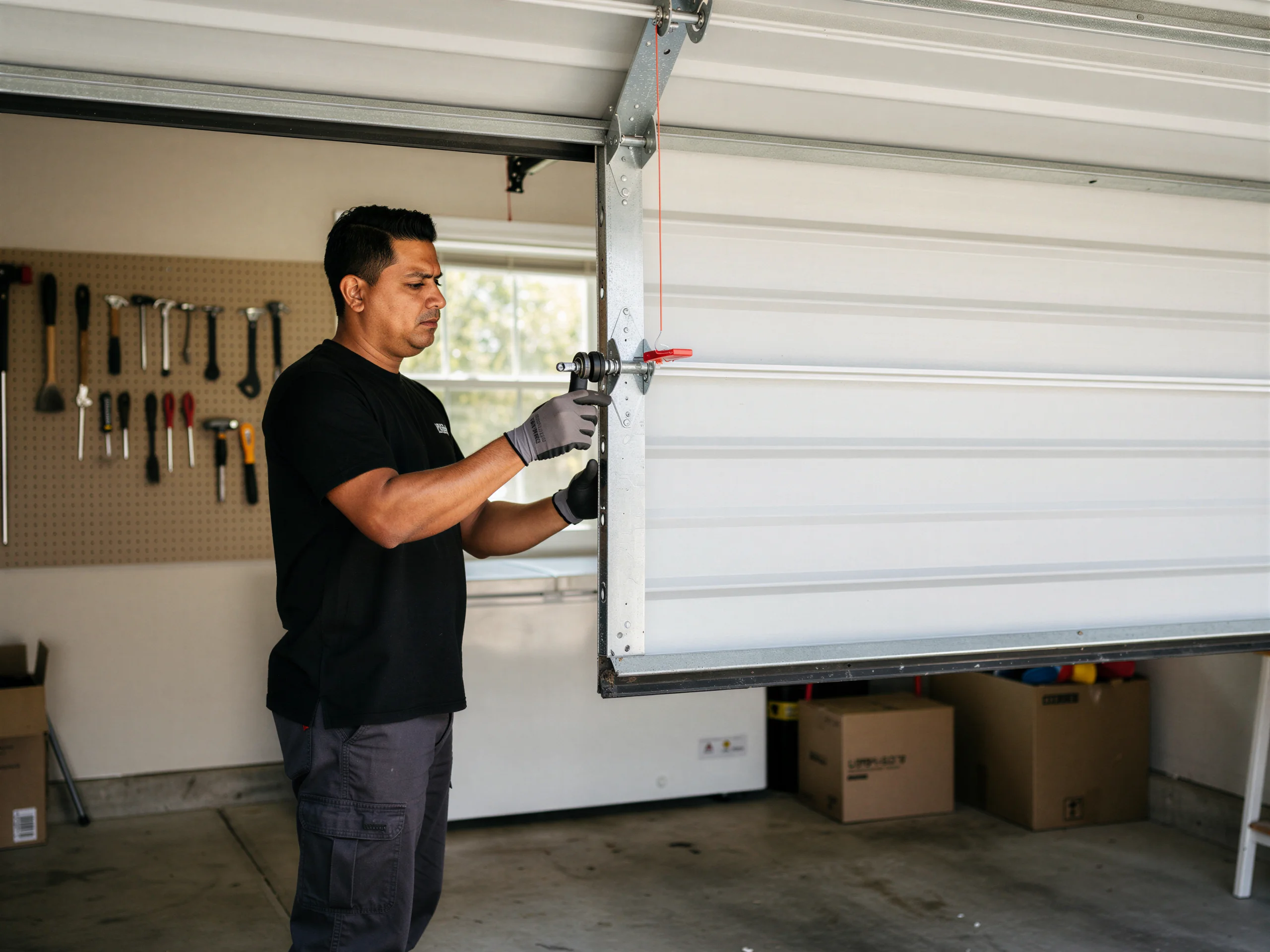
Off Track Repair
Sergeant Bluff homes mostly date to around 2000, not the 1970s stock common elsewhere in the service area. Learn more →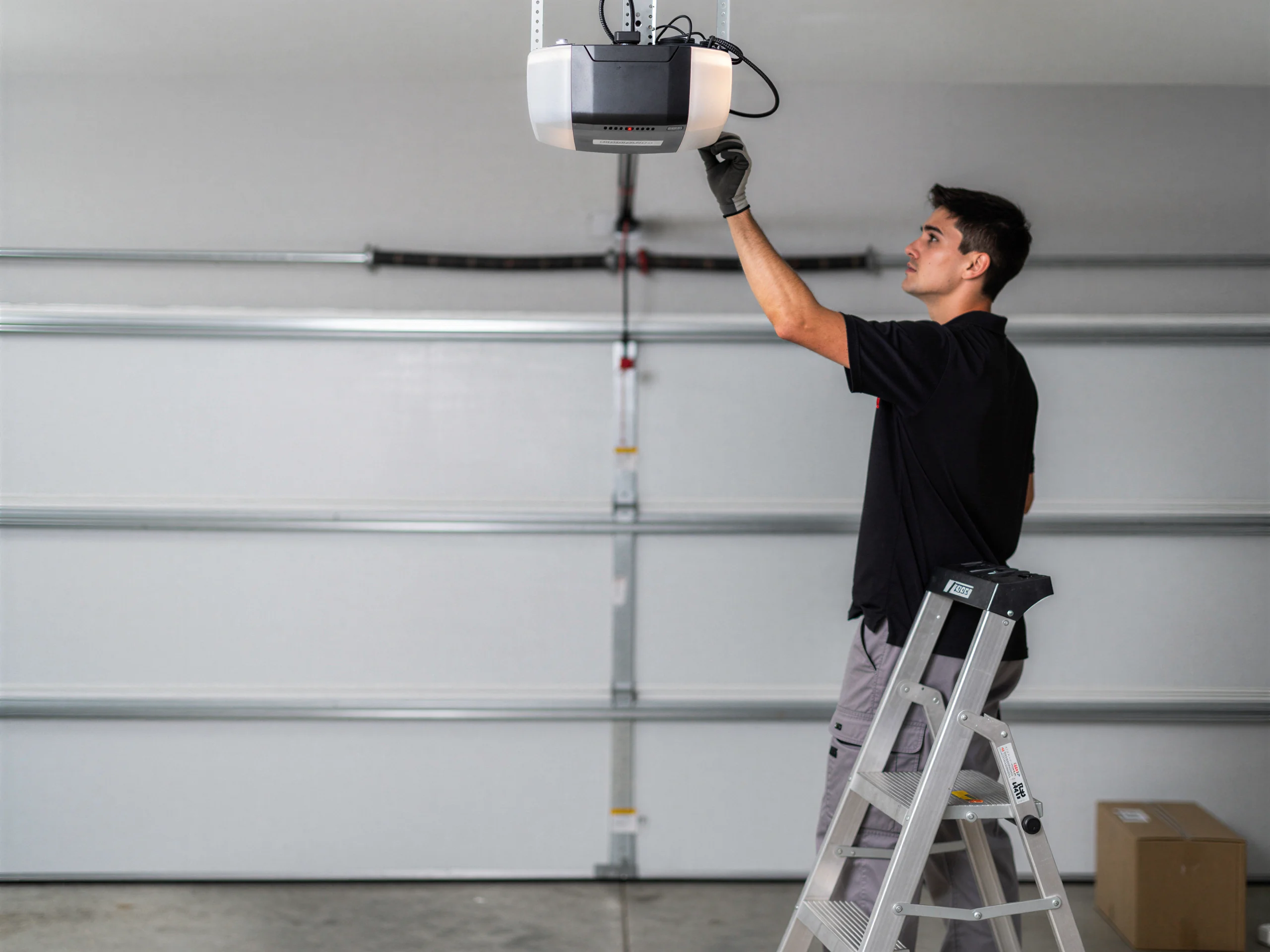
Opener Repair
Opener repair for Sergeant Bluff, IA homes built near 2000 - newer drive types, battery backup units, and circuit boards than Sioux City's older stock. Learn more →
Roller Replacement
Sergeant Bluff homes mostly went up around 2000, so original rollers are hitting 20-25 years of cold-climate wear. Learn more →Ready when you are
Need a garage door sorted in Sioux City?
Sioux City Garage Door Pros repairs and installs garage doors, springs and openers in Sioux City, IA and the surrounding area.