
Sioux City, IA
Garage Door Opener Repair for Sioux City Homes
Opener repair for Sioux City homes built mostly from 1949 to 2000, where cold winters and original hardware combine to wear out drive gears and sensors early.
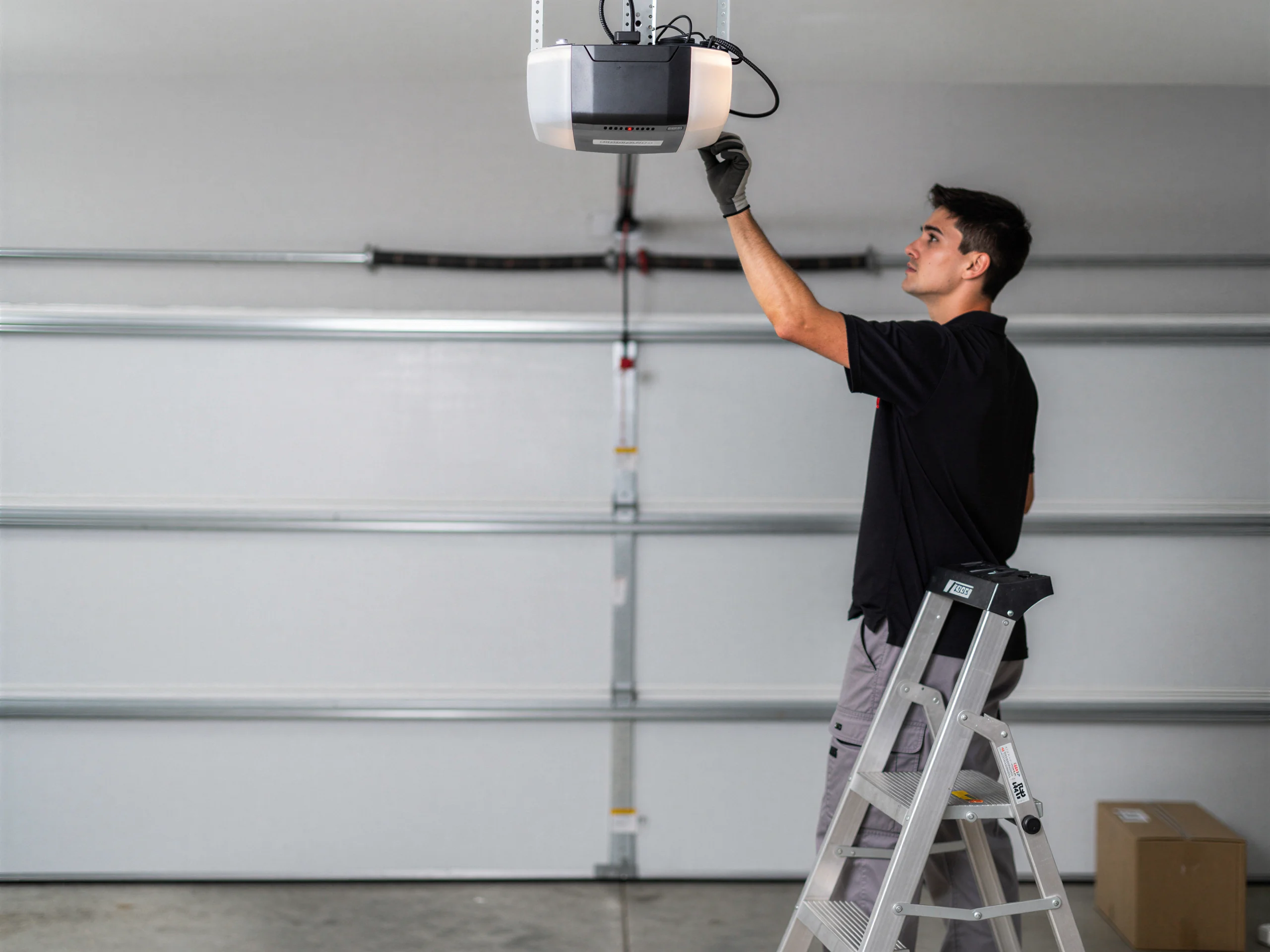
How It Shows Up
Most calls start the same way: you hit the remote and the opener hums but the door doesn't move, or it moves a few inches and reverses.
Stripped plastic gear
Sometimes the light flashes a code and nothing else happens. On older units common across Sioux City's 1960s-70s housing stock, the first sign is often a stripped plastic drive gear - the motor runs, the carriage doesn't travel, and the door sits wherever it stopped.
Grinding chain or belt
On chain and belt drives from the same era, you'll hear a grinding or slapping noise before the belt finally slips off the sprocket. Newer safety-sensor failures show up differently: the door closes partway, reverses, and the opener's logic board blinks an error pattern instead of running the motor at all.
Failing motor capacitors
In homes built across the 1949-2000 span that makes up most of this service area, we also see a lot of worn capacitors in older motor units, which causes the door to start strong and then stall halfway up. None of these are the spring or the cable - they're the opener itself, and they fail in fairly predictable ways depending on the unit's age and type.
Why It Happens Here
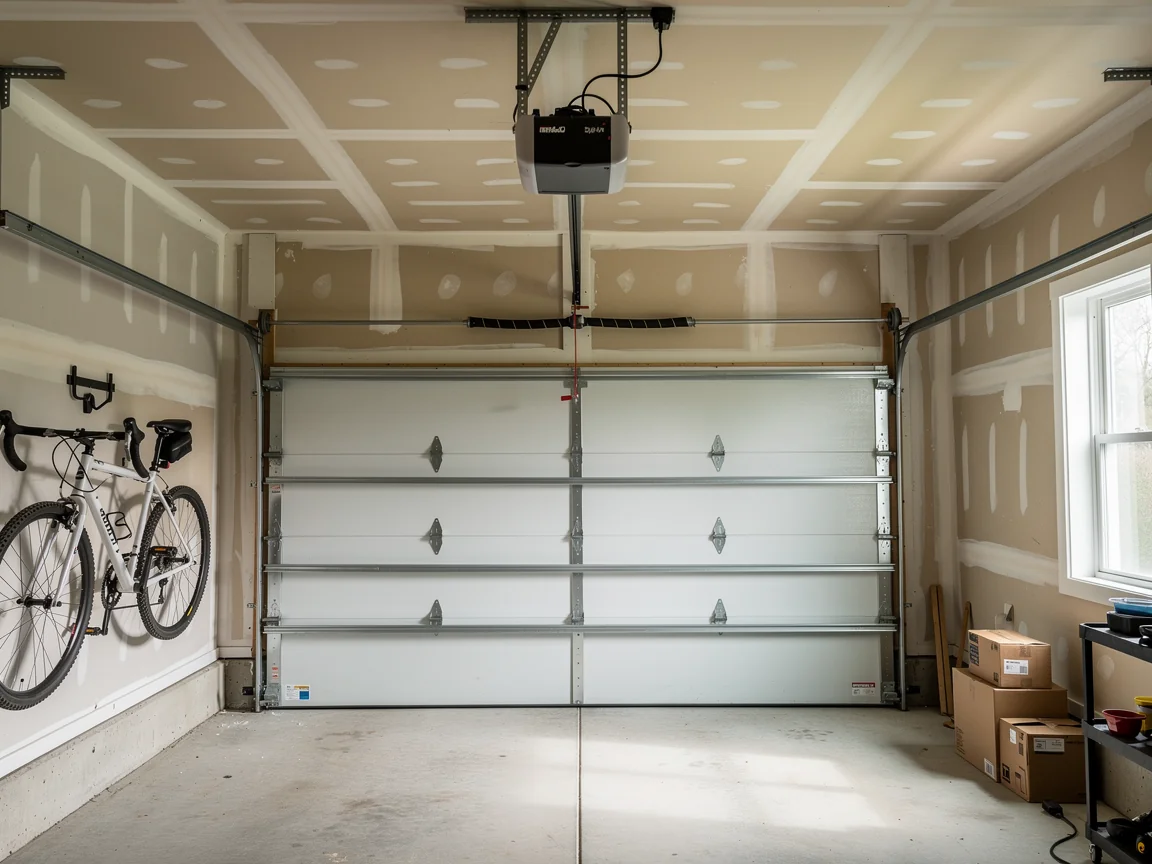
Sioux City's winters are the main driver. In a severe cold climate band, grease inside an opener's gearbox thickens when temperatures drop, which makes the motor work harder to turn the drive gear every single cold-morning cycle. Over years, that extra load is what strips plastic gears and burns out start capacitors - failures that show up earlier here than they would in a milder climate. Add in the housing stock: with most homes across the six areas we serve dating to the 1960s and 70s, and the broader range running 1949 to 2000, a large share of openers in use were installed as original equipment or as a first replacement decades ago. Those units predate modern safety-sensor standards and often run belt or chain drives that have simply logged more cold-season cycles than they were built for. It's not that Sioux City garages see anything unusual weather-wise - it's that the combination of older opener hardware and a hard freeze-thaw cycle every winter wears components faster than most homeowners expect.
Can You Do This Yourself
Some of this is within reach. Realigning safety sensors that have drifted out of position, replacing dead remote batteries, or clearing a dirty photo-eye lens are all jobs you can do with a few minutes and a screwdriver.
Checking travel limits
If the opener runs but the door won't travel, check the travel-limit settings before assuming the motor is bad - a lot of 'broken opener' calls turn out to be a limit switch knocked out of adjustment.
Gearbox and high-voltage work
Where we'd stop you: anything involving the opener's internal gearbox, the high-voltage side of the logic board, or a drive gear replacement on a unit where the plastic has already stripped. Those require the unit to come apart, and reassembling it wrong can damage the motor or leave the door unsupported while you're working under it.
Discontinued part check
If your opener is original to a house built well before 2000, it's also worth asking whether the part is still manufactured before you sink time into fixing it - on the oldest units, a used or discontinued gear kit sometimes costs more in time than a straight swap.
Time on the Job
A sensor realignment or remote reprogram is usually a short visit - we're in and out once the photo-eyes are talking to each other again. A drive gear replacement or capacitor swap takes longer, since the opener has to come down off the rail to get at the motor housing. Circuit board failures are the least predictable: on some units the board is a bolt-in swap, on others the whole opener is the more sensible fix once you account for parts and labor together. We don't stock every board or gear kit for every make and age of opener, so if yours is an older or less common unit, there can be a short wait on the part. We'll tell you up front if that's the case rather than guessing at a timeline we can't back up.
Questions
Common questions
Why does my garage door opener only act up in winter?
Cold thickens the grease inside the gearbox and makes the motor strain harder on every cycle. In Sioux City's severe cold climate, that extra strain is what finally strips a worn plastic drive gear or kills a weak capacitor - problems that were building for a while before the cold made them obvious.
My opener hums but the door doesn't move. Is that fixable?
Usually yes. A humming motor with no door movement is almost always a stripped drive gear or a disengaged trolley, not a dead motor. On openers original to older Sioux City homes, the gear kit is often the whole repair.
Should I repair or replace an opener that's original to the house?
Depends on parts availability for that model. If the gear kit or board is still made, repair is usually cheaper. If it's been discontinued, which happens more often on units installed when a lot of this area's housing was built, replacement ends up being the more practical call.
Do you serve areas outside Sioux City proper?
Yes, we cover the surrounding service area including Sergeant Bluff, Hinton, Lawton, Salix, Moville, and Sloan. Each of those has its own page with details specific to that town.
Explore more
Explore More Services In Sioux City, IA
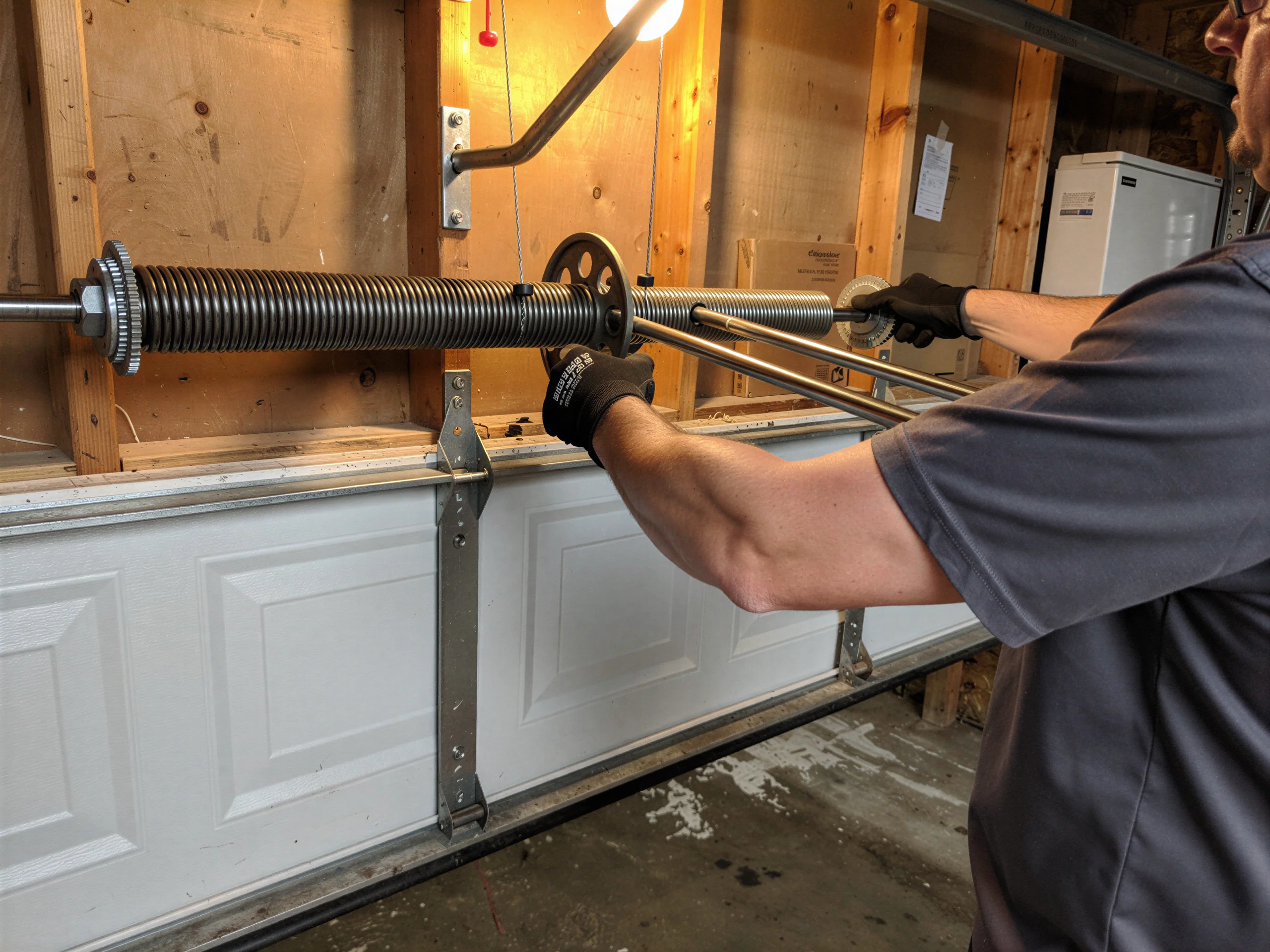
Garage Door Spring Repair for Sioux City Homes
Broken torsion spring on a Sioux City garage door? Learn more →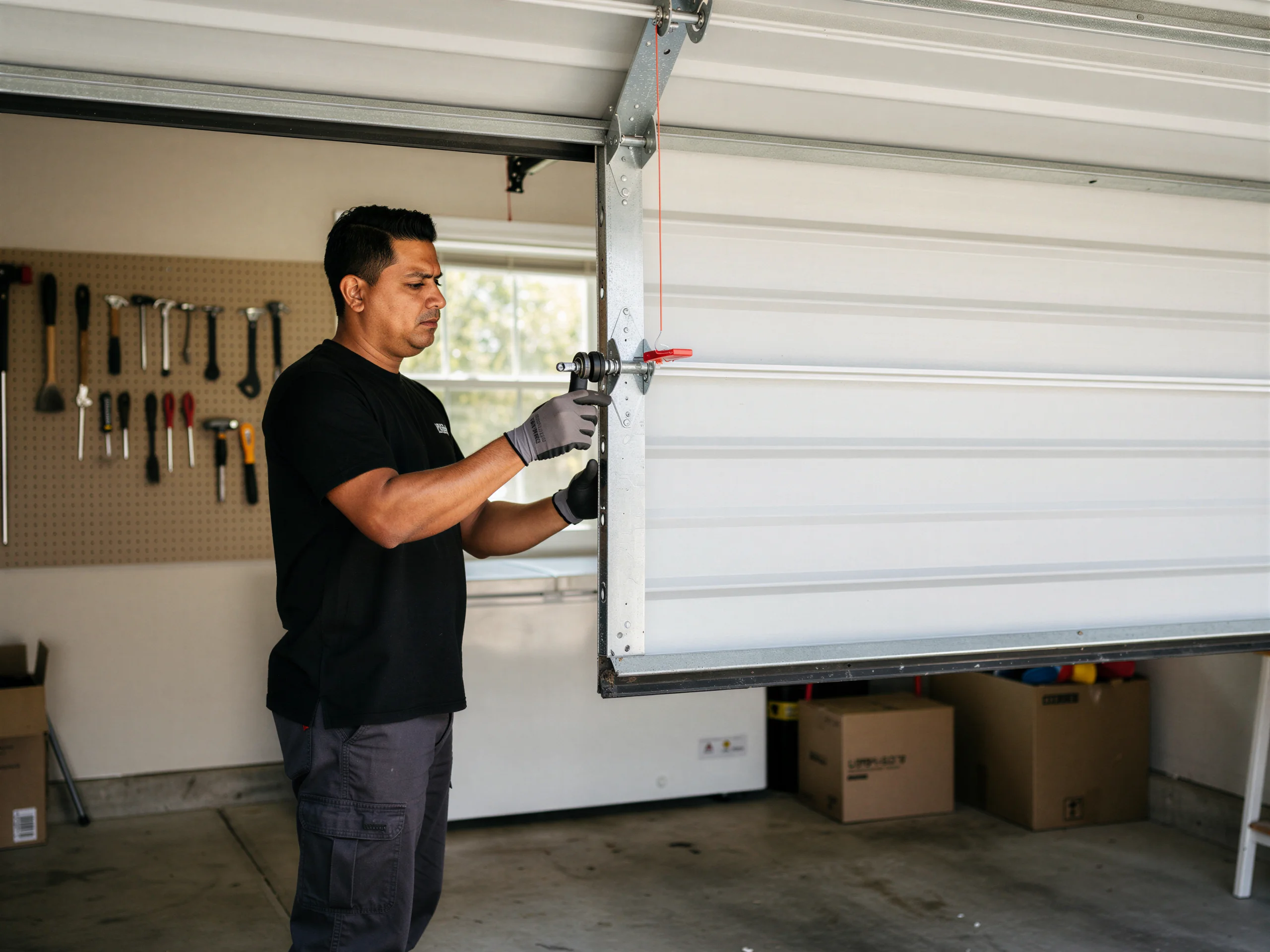
Garage Door Off Track: What's Going On and What It Takes to Fix
A garage door off track in Sioux City usually traces back to 1960s-70s hardware and hard winters. Learn more →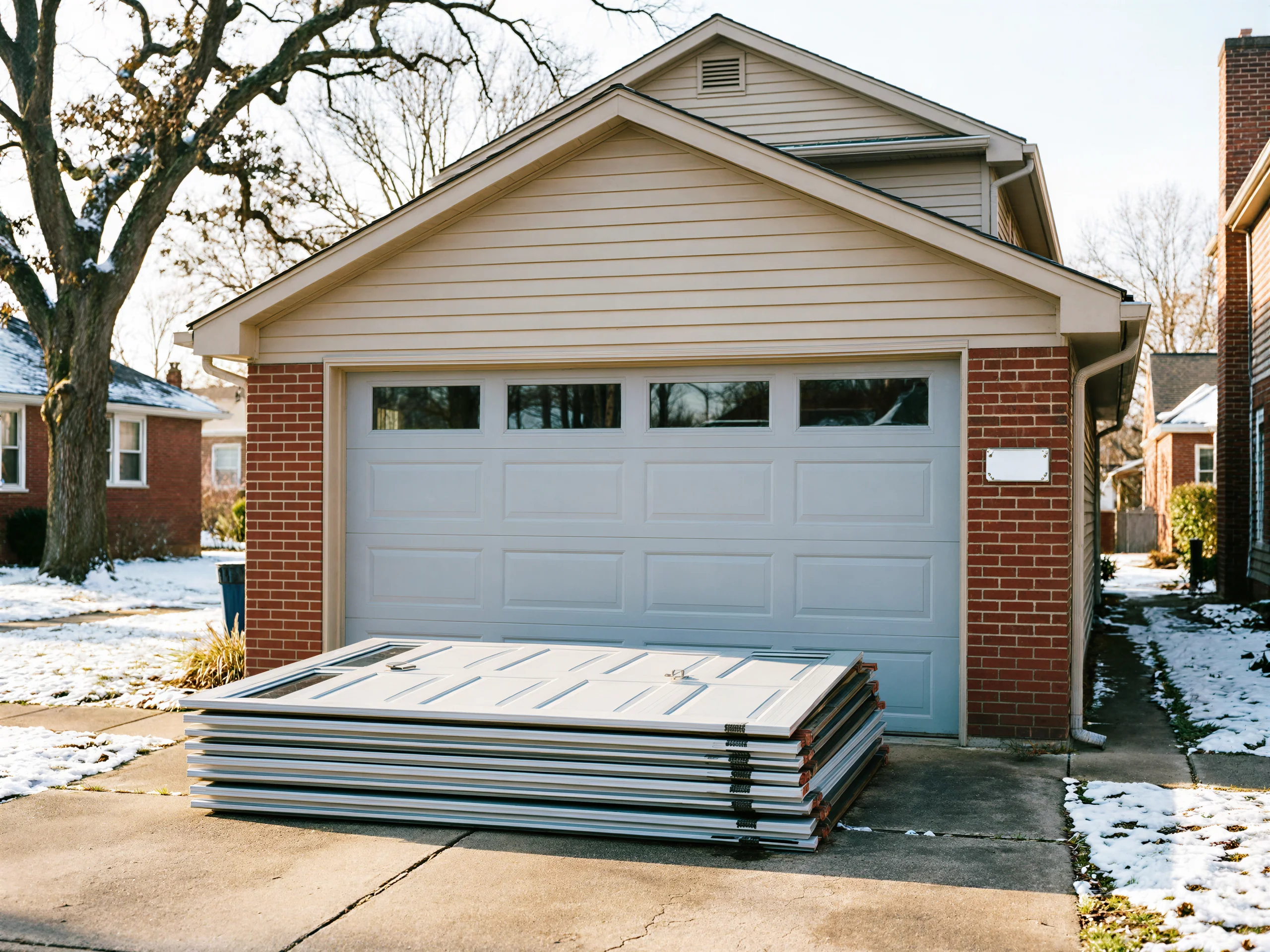
Garage Door Installation for Sioux City Homes
New garage door installation for Sioux City homes built 1949-2000, matched to original openings and sized for cold-climate performance down to severe winter temps. Learn more →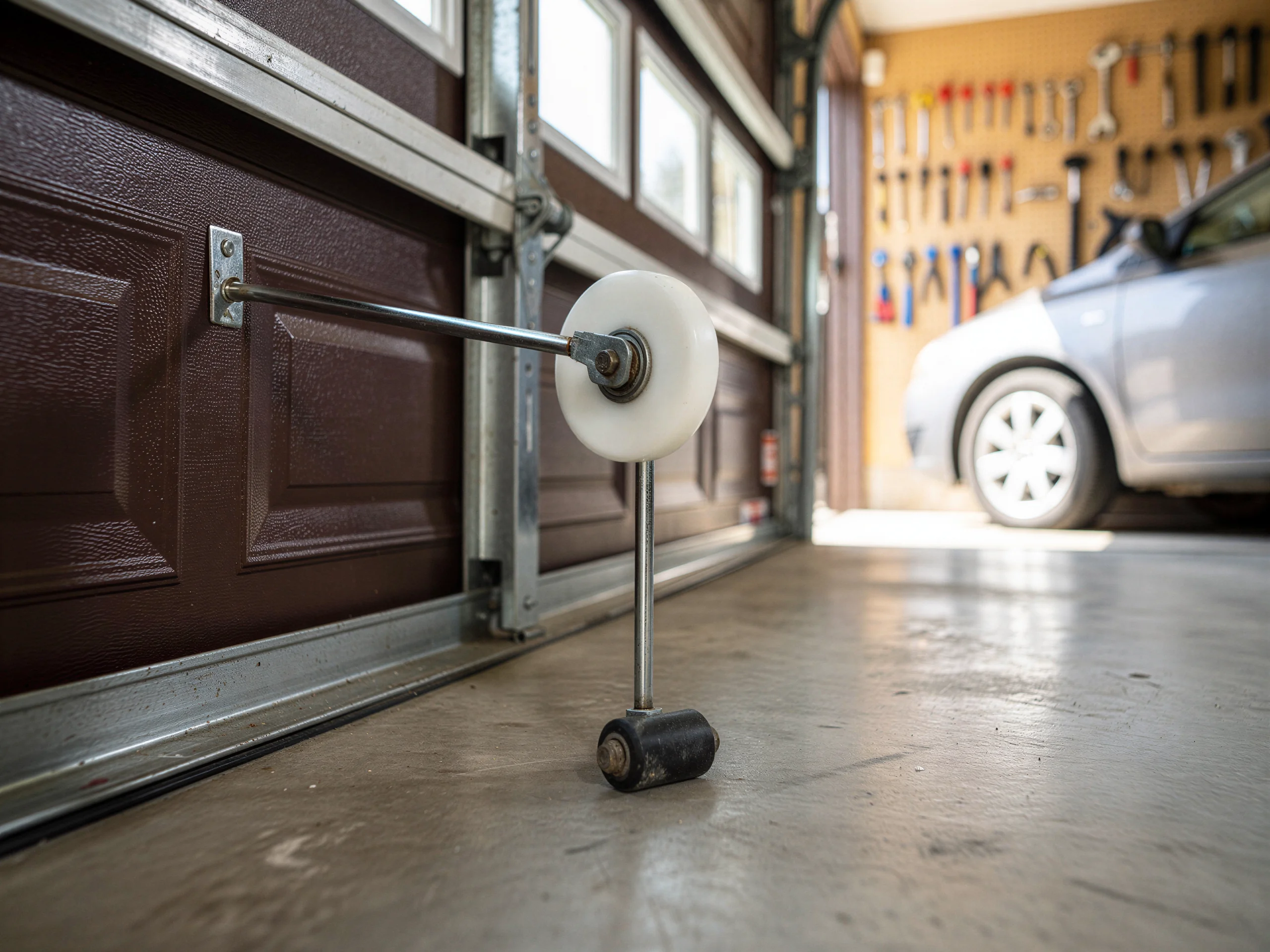
Roller Replacement for Sioux City Garage Doors
Worn rollers on Sioux City's older torsion doors bind, shake, and jump track in winter cold. Learn more →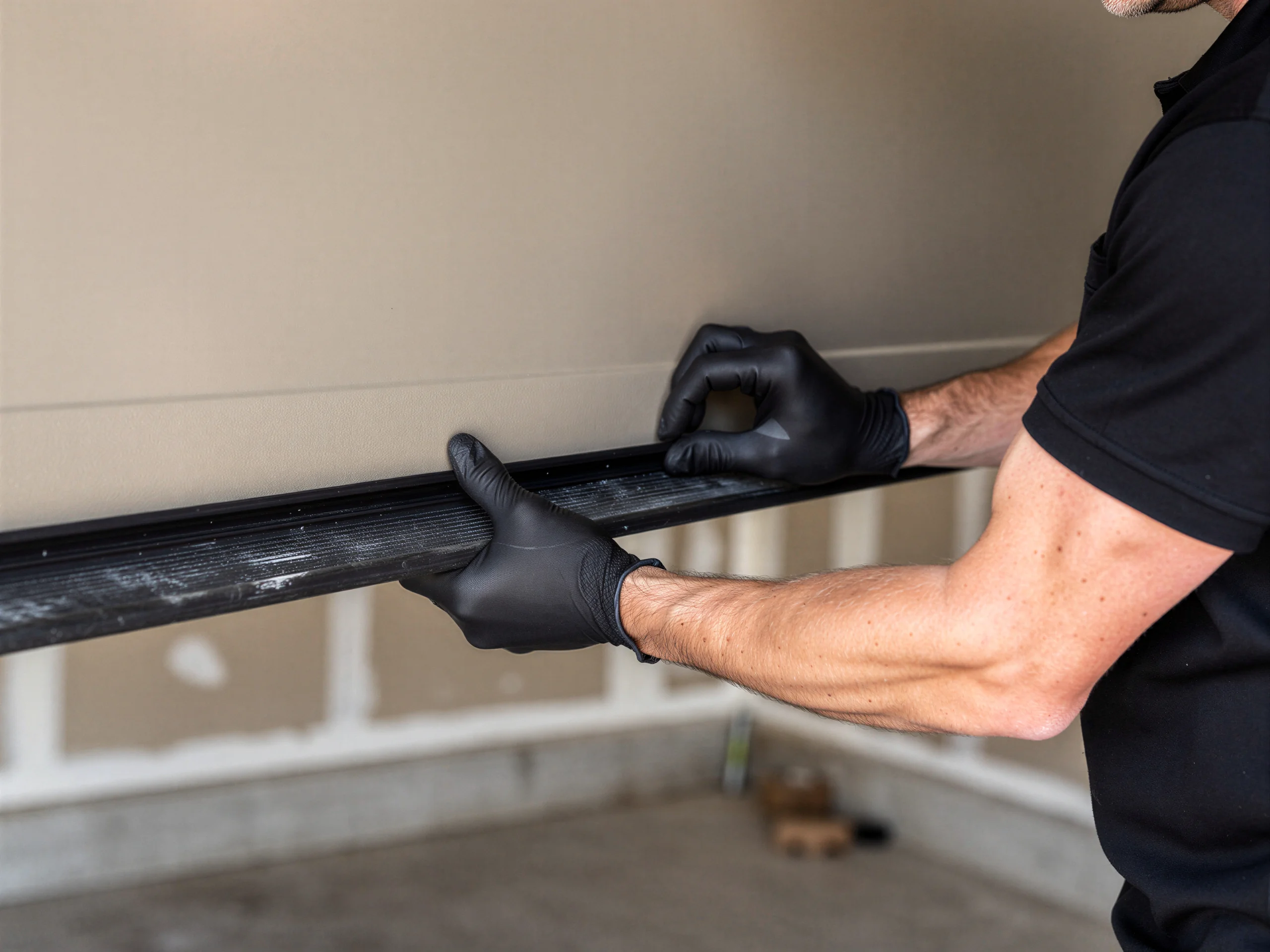
Garage Door Service for Sioux City's Cold-Weather Failures
Sioux City homes built mostly between 1949 and 2000 fight cold-weather garage door failures every winter. Learn more →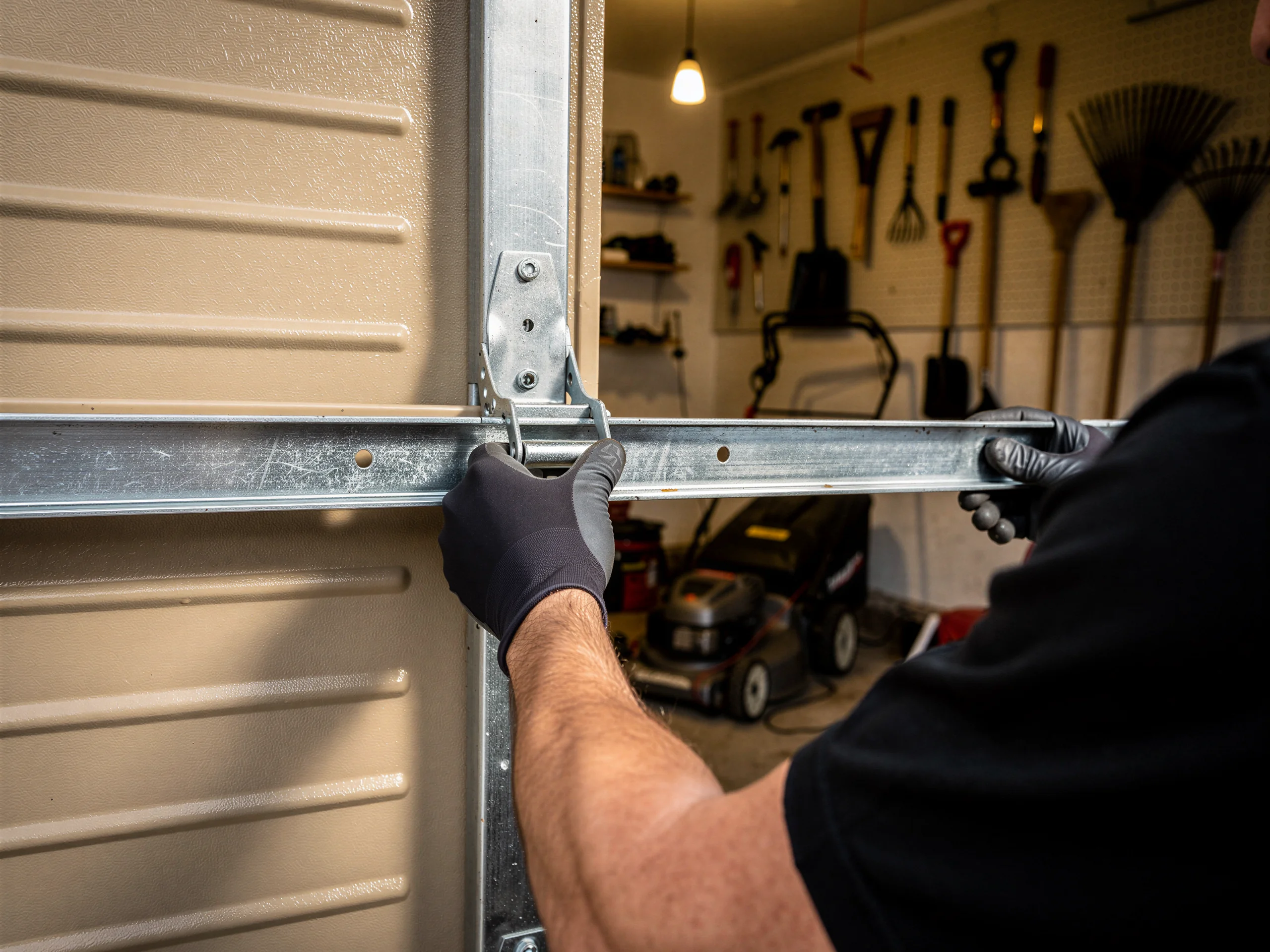
Garage Door Repair for Sioux City Homes
Garage door repair for Sioux City homes built mostly in the 1960s and 70s, where cold winters and aging torsion hardware cause the most common breakdowns. Learn more →Ready when you are
Need a garage door sorted in Sioux City?
Sioux City Garage Door Pros repairs and installs garage doors, springs and openers in Sioux City, IA and the surrounding area.