Local detail
Doing Nothing For Now
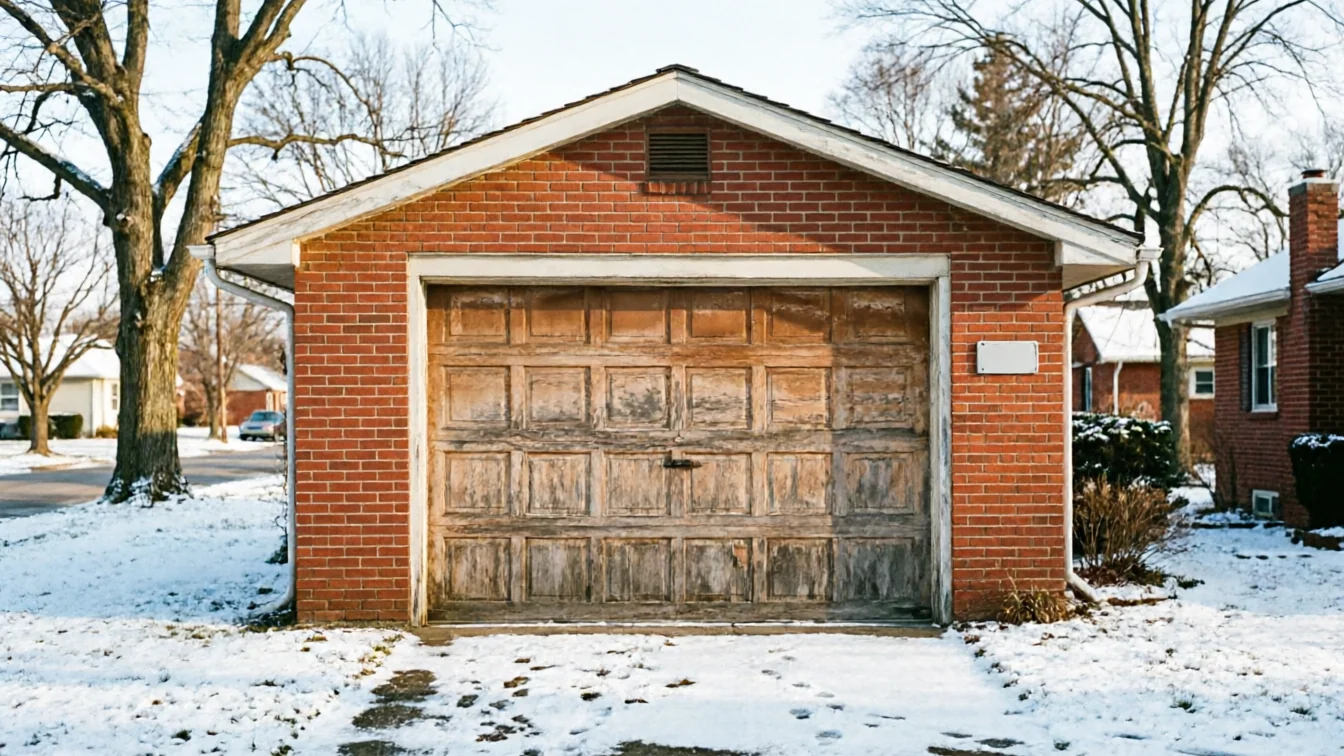
A lot of the doors we look at in Sioux City are original to the house, and the houses here mostly went up between 1949 and 2000, with the median build year sitting around 1973. That means a door that's been quietly working for forty or fifty years isn't unusual - it's the norm in a lot of these neighborhoods.
If your door opens smooth, the spring isn't sagging, and the panels aren't rusted through, there's a real case for leaving it alone. We won't tell you to replace a door that's doing its job just because it's old. That's not a call we make for people.
Where doing nothing stops making sense is when a repair starts costing more than half of what a new door runs, or when the opener and the door are both failing at once. At that point you're paying twice to keep something that's going to need the same money again in a year or two. The honest answer is that a lot of these older one-piece and sectional doors, if the track and spring are original 1970s hardware, are worth one more repair but not three more.
The area
What Is Going On
Six of the main areas in this service footprint were built out mostly in the 1960s and 70s, and builders back then used torsion and extension spring setups that are simple but not interchangeable with what's on the shelf today. Hardware sizes shifted over the decades, so a spring that looks standard might need a specific cable drum or shaft size that isn't a five-minute swap.
What actually fails first is almost always the spring, not the door itself. A torsion spring is rated for a number of open-close cycles, and on a door installed in the early 1970s, that spring has usually been replaced at least once already, sometimes twice. If nobody's touched it, it's living on borrowed time.
Tracks and rollers go next, usually from age and rust rather than any one event. On houses from this era, the track is often bolted straight to original wood framing, which means a track replacement sometimes turns into a bracket repair too. None of this means the door is junk - it means the parts list on an older install isn't always a straight match to a new one.
What we find
Checking It Yourself
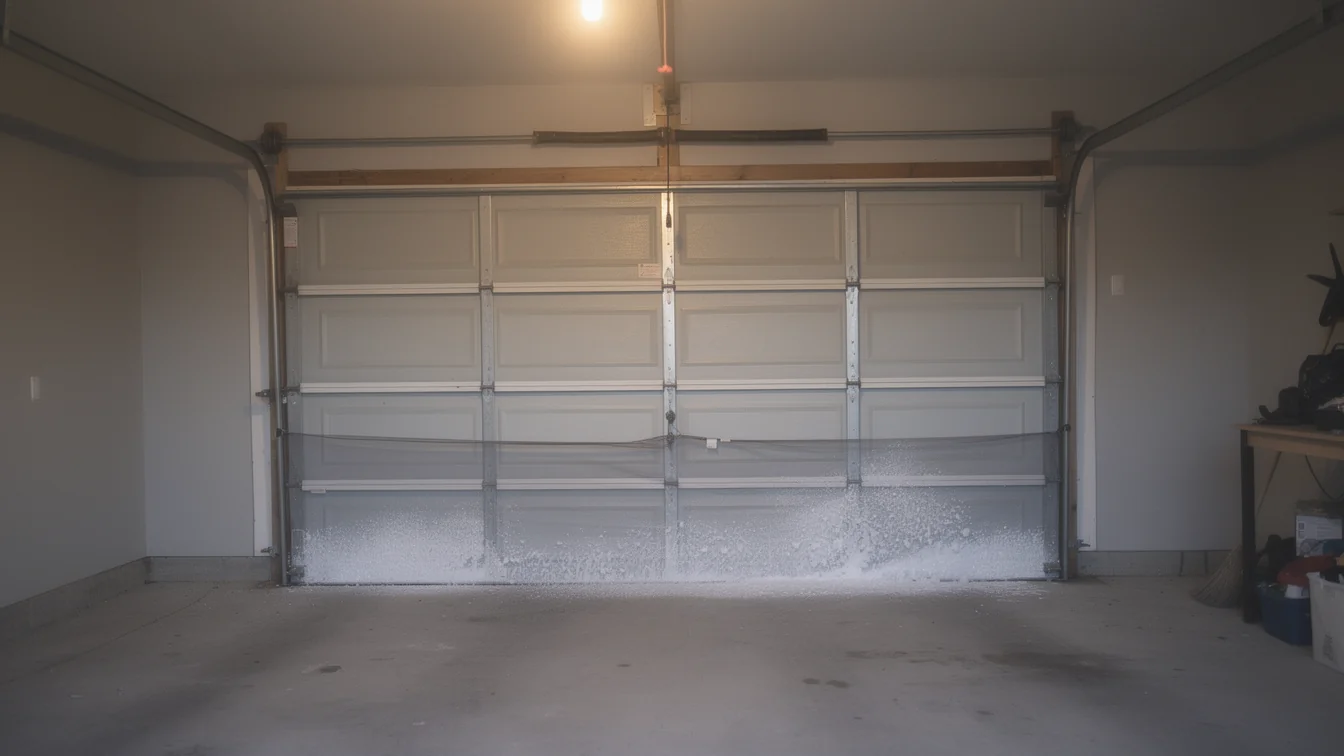
Pull the release handle so the opener disconnects, then lift the door by hand. It should move with light, even effort and stay wherever you let go. If it drops on its own or feels heavy, the spring is losing tension and that's not a DIY fix - a torsion spring under load can hurt you.
Look at the cables on either side of the bottom bracket. Fraying strands or visible rust on the cable means it's near the end, and cables are cheap enough that replacing them before they snap is worth doing.
Run the door through a full cycle and listen. A grinding or popping sound from the top usually means the rollers are shot, not the opener. If the door shudders or jumps at one specific spot in the track, check that spot for a bent section or a loose bracket.
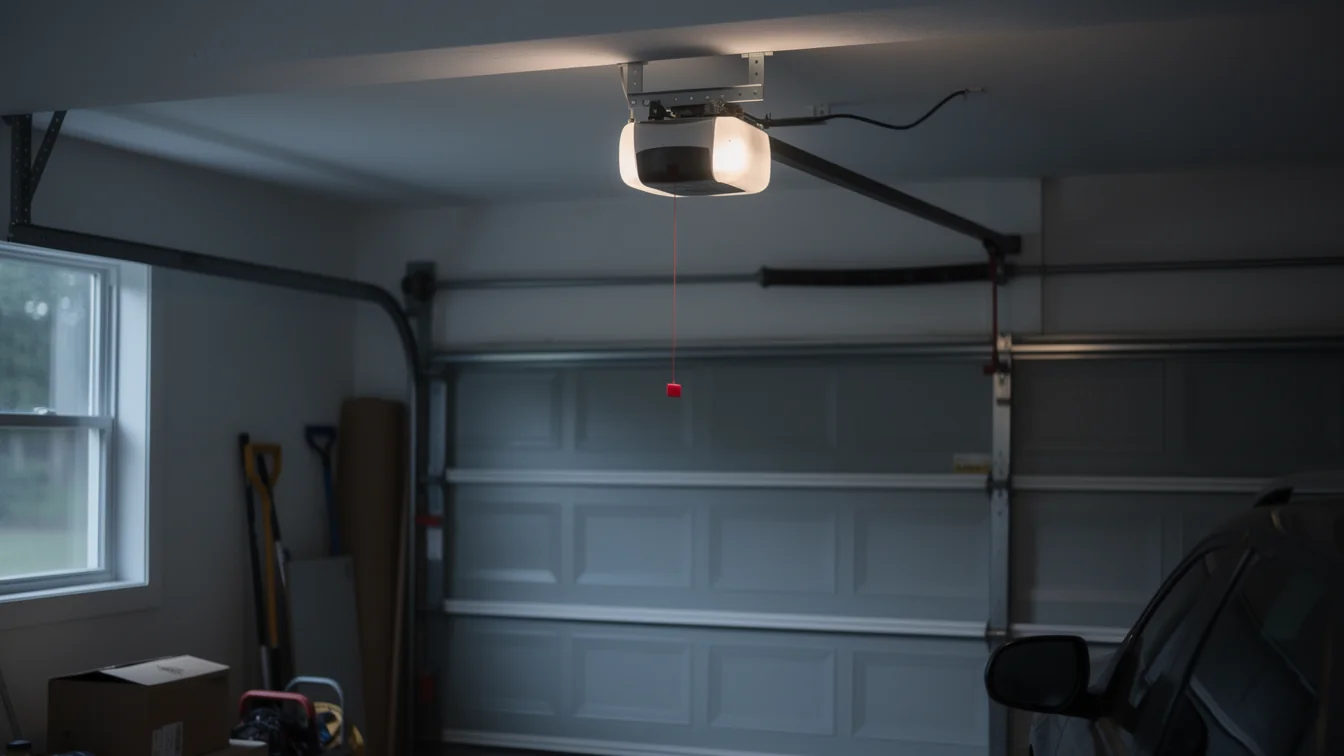
If your house is one of the older ones in this area, with original 1960s or 70s hardware, don't force anything that's stuck. These doors weren't built with today's safety sensors, and a jammed door on old hardware is one of the few things here worth just calling about instead of pushing on.
How we work
What Local Conditions Do
This area sits in a climate band classed as cold and severe, and cold is hard on garage door hardware in a specific way: steel springs lose flexibility as temperature drops, and a spring that's already near the end of its cycle life is far more likely to snap on a sub-zero morning than a mild one. If your door has felt stiffer or louder once the weather turned, that's not your imagination.
Lubricant matters more here than in a milder climate. A lot of all-purpose grease thickens up in cold and stops doing its job right when the door needs it most, which is part of why rollers and hinges on older doors seem to get noisy every winter.
The same housing stock and the same weather sit across this whole area, out toward Sergeant Bluff, Hinton, Lawton, Salix, Moville, and Sloan - towns within twenty miles that share the 1960s-70s build era and the same cold-season wear pattern on original hardware. If you're in one of those areas and your door is original to the house, the same checks and the same timeline apply.
Talk to a local pro
Garage door trouble in Sioux City?
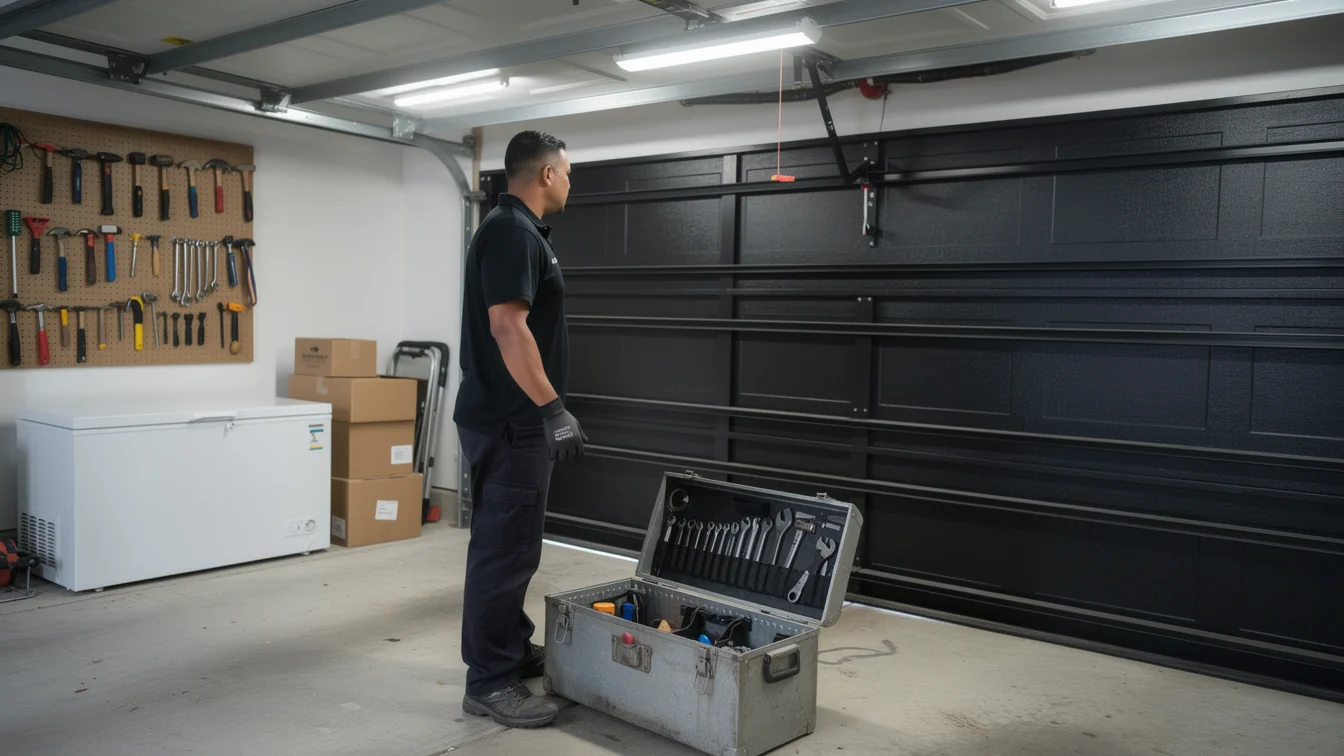
Same-day service with honest, upfront quotes.